
 German7.8Late Shift2025 · 92 min
DWatchMovies: movies in five languages, from Jurassic Park and The Intouchables to The NeverEnding Story, The Motorcycle Diaries and Monica and Friends
36 movies each in English, French, German, Spanish and Portuguese, with every page in English and a Watch now button.
Fresh movies
German7.8Late Shift2025 · 92 min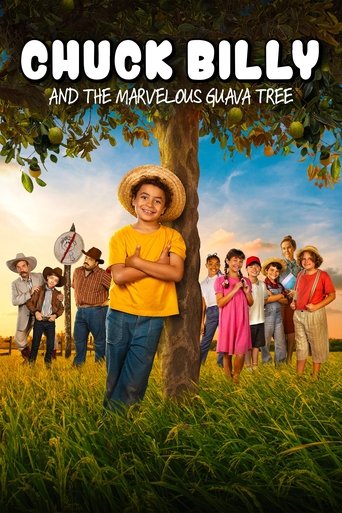 Portuguese7.1Chuck Billy and The Marvelous Guava Tree2025 · 100 min
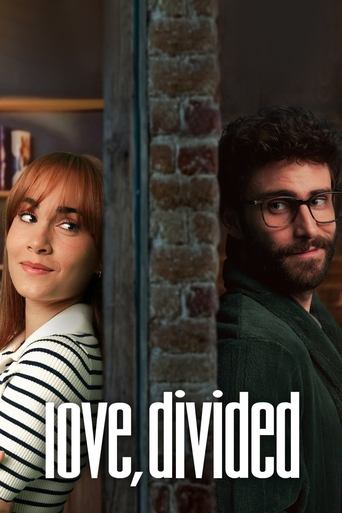 Spanish6.7Love, Divided2024 · 97 min
 Portuguese7.1Traces of Love2024 · 105 min
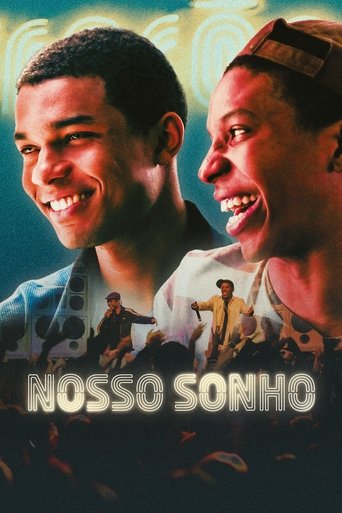 Portuguese7.5Nosso Sonho2023 · 121 min
 German7.2The Teachers' Lounge2023 · 98 min
 Spanish6.3Four's a Crowd2022 · 96 min
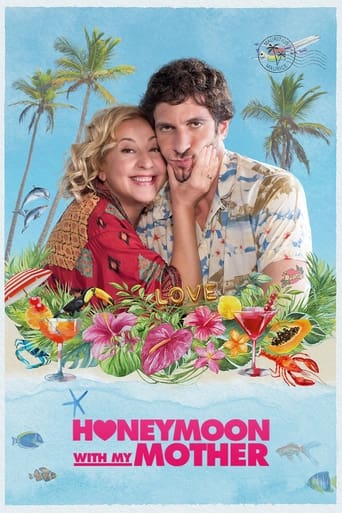 Spanish6.3Honeymoon with My Mother2022 · 110 min
English movies
All 36 » English8.0
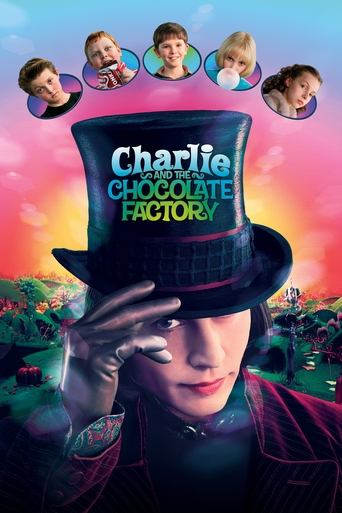 English7.0
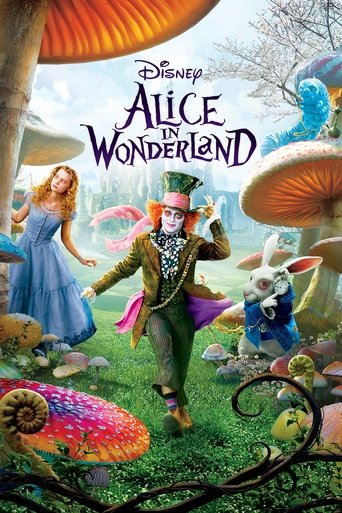 English6.6
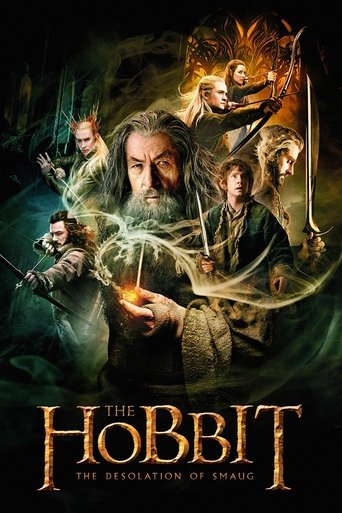 English7.6
 English7.4
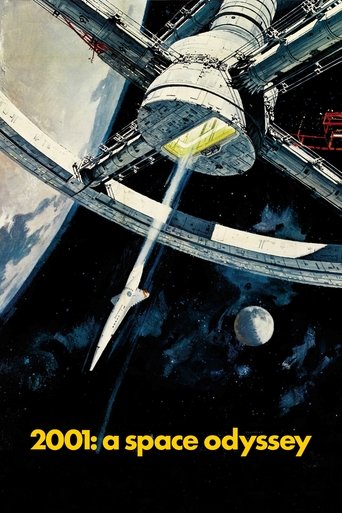 English8.0
French movies
All 36 »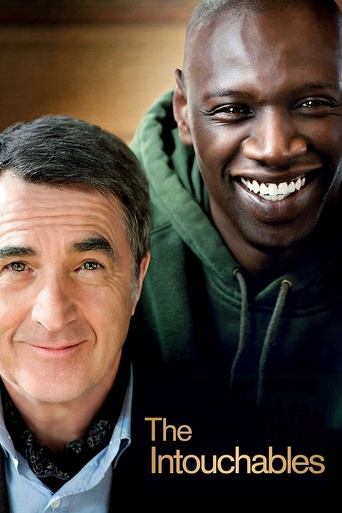 French8.3
 French7.4
 French7.4
 French7.7
 French6.7
 French7.0
German movies
All 36 » German7.2
 German6.9
 German7.1
 German6.9
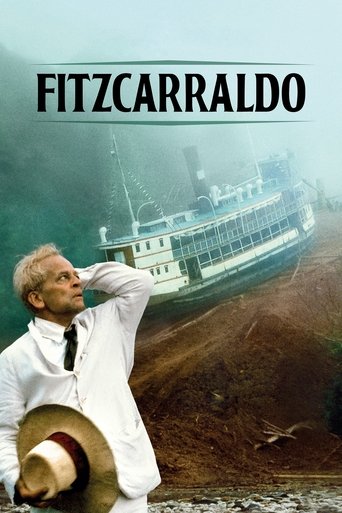 German7.6
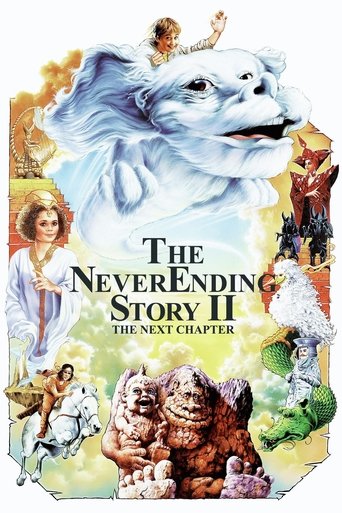 German5.8
Spanish movies
All 36 »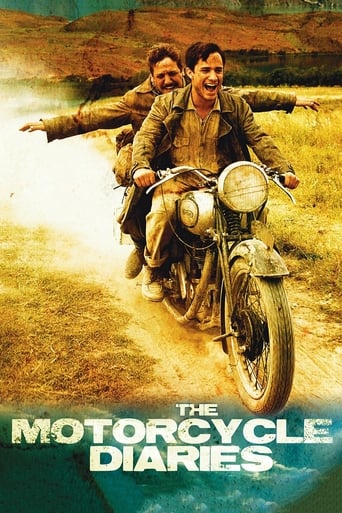 Spanish7.4
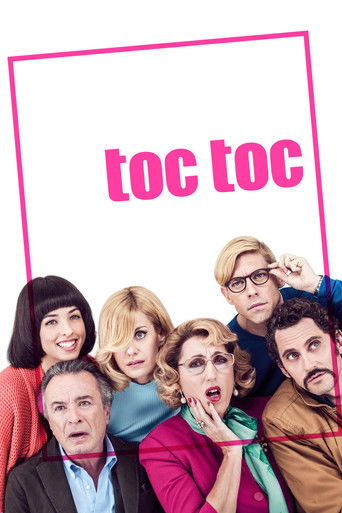 Spanish7.1
 Spanish7.5
 Spanish7.5
 Spanish8.0
 Spanish7.2
Portuguese movies
All 36 » Portuguese6.5
 Portuguese6.4
 Portuguese6.6
 Portuguese6.2
 Portuguese6.9
 Portuguese6.6
More lists
Top rated movies 36Comedy 123Drama 84Romance 47Family 34Adventure and fantasy 51Before 1990 211990 to 2009 422010 onwards 117
The DWatchMovies guide
DWatchMovies: movies in five languages, from Jurassic Park and The Intouchables to The NeverEnding Story, The Motorcycle Diaries and Monica and Friends
DWatchMovies is a guide to films in five languages. It holds 180 movies, thirty-six each in English, French, German, Spanish and Portuguese, made between 1955 and 2025. Every page is written in English, whatever the language of the film, and gives the cast, a summary and a Watch now button, with the original title printed beside the English one. Together the films run to about 318 hours.
Most film guides in English treat the rest of the world as a single shelf marked foreign. This one gives four other languages the same room as English and treats each as a cinema with its own stars, its own humour and its own classics. French comedy, German fantasy, Spanish and Argentine drama and Brazilian family films are large and lively traditions, and a viewer who knows only the English shelf is missing a good share of the best evenings available.
The five languages reach further than five countries. The French shelf includes films from Belgium; the German shelf, films from Austria and Switzerland; the Spanish shelf, films from Spain, Argentina, Mexico, Peru and Ecuador; and the Portuguese shelf is nearly all Brazilian, with one film from Portugal. All 180 were screened by hand for a family audience, so the shelves favour comedy, romance, family adventure and warm drama.
This guide explains the page, goes through the five languages in turn, and ends with practical advice on subtitles and on where to begin. The short version is on How to watch with DWatchMovies.
How DWatchMovies works
The page is pale blue-grey with white panels, a navy header and orange for its buttons. The header carries the logo, an orange disc with a D, a search box and the My Shelf button. Under it runs a row of tabs: Main, English, French, German, Spanish, Portuguese, Bestsellers and A-Z.
The home page opens with the name of the guide and a line of five language buttons. Below it, on the left, is Fresh movies, the eight newest releases across all five languages; on the right is Bestsellers, a numbered list of the twelve most widely rated films, with the first three numbers picked out in orange. Five rows of posters follow, one for each language, showing the six most widely rated films of that language with a link to all thirty-six. A poster has a navy tag with its language and an orange tag with its score, and under it are the title, the year and the running time.
A movie page gives the English title, the original title, tags for the year, the running time and the genres, the summary, the Watch now button and the list button. A panel beside them has a selector with fifteen countries, among them France, Germany, Spain, Portugal, Brazil, Mexico and Argentina; choose one, press the button, and JustWatch lists the subscription, rental, purchase and free services that carry the film there. A table of facts states the original language and the country, and the cast and director complete the page. Finding a movie covers the search box and the lists.
How the shelves are built
A film is filed under the language in which it was made, as recorded on TMDB, and each shelf takes the thirty-six most widely rated films of that language that passed the hand screening. Equal shelves are a deliberate choice. Ranked by audience size alone, the English films would fill the first hundred places, and the Bestsellers list shows it: nineteen of its twenty titles are in English. Giving every language thirty-six places lets the others be seen.
The films on the four other shelves are the ones that travelled, in the sense that enough viewers around the world have rated them for their pages to be complete in English. They are a fair picture of what each cinema is best known for abroad, with a few surprises. The five languages page states the rule in brief.
The English shelf
The English shelf needs the least introduction. It is led by Jurassic Park, and its thirty-six include Charlie and the Chocolate Factory, Alice in Wonderland, The Hobbit: The Desolation of Smaug, The Social Network, Jumanji, A Beautiful Mind, Groundhog Day, The Breakfast Club, Rain Man, Notting Hill and Mamma Mia!. It has the highest average score of the five shelves, 7.2, and thirteen films at 7.5 or more, led by Wonder at 8.1.
Its oldest films are Mary Poppins, from 1964, and 2001: A Space Odyssey, from 1968. Its family adventures, The Jungle Book, Jungle Cruise, The Golden Compass, Journey to the Center of the Earth and Night at the Museum: Secret of the Tomb, are the kind of film most often shown around the world in other languages, which makes this shelf the natural meeting point for a household whose members grew up with different ones. The English guide sorts the thirty-six.
The French shelf: the films everyone saw
The French shelf is led by the most widely rated film in the whole guide. The Intouchables, from 2011, is the story of a wealthy man paralysed from the neck down and the young man from the housing estates whom he hires as his carer, to the alarm of everyone around him. It is drawn from a real friendship, it was seen by nearly one in three people in France, and it holds a score of 8.3, the highest in the guide. Omar Sy, who plays the carer, returns in Two Is a Family, as a carefree bachelor in the south of France who is handed a baby and builds a new life with her in London.
France's own favourites are comedies, and the shelf has thirty-three of them. Welcome to the Sticks sends a post-office manager from Provence to the far north, which he imagines as an icy wilderness; it broke every record at the French box office in 2008. The Visitors drops a medieval knight and his squire into the 1990s. The Dinner Game, adapted by Francis Veber from his own play, takes place almost entirely in one flat on one evening: a smug publisher invites a guileless tax clerk to dinner in order to mock him, and is slowly ruined by the man's helpfulness. It scores 7.8 and has been remade in several countries.
The Asterix films are France's great family entertainment. Asterix & Obelix: Mission Cleopatra, directed by Alain Chabat, in which the Gauls help an architect build a palace for the queen in three months, is by common consent the funniest, and Asterix at the Olympic Games is the most lavish. Chabat also made Didier, about a dog that wakes up as a man, and HOUBA! On the Trail of the Marsupilami. The three Tuche films, The Tuche Family, The Tuche Family: The American Dream and The Magic Tuche, follow a cheerful family from the north who win the lottery and move to Monaco, and Camping spends a summer on a campsite on the Atlantic coast.
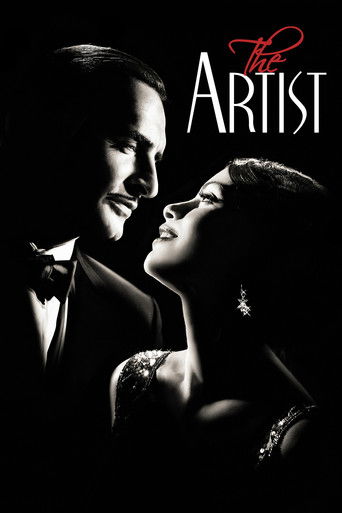
The Artist, from 2011, is a French film made in Hollywood, in black and white and almost entirely silent, about a star of the 1920s overtaken by the arrival of sound. It won five Academy Awards, including best picture, and Jean Dujardin became the first French actor to win the award for a leading part. He appears again in Up for Love, as a charming architect who is four feet five inches tall, and in Return of the Hero, as a cowardly captain of 1809 turned into a legend by the letters a clever woman writes in his name.
The French shelf: classics and romances
Three films represent the classic French cinema. The 400 Blows, from 1959, was François Truffaut's first feature: twelve-year-old Antoine Doinel, misunderstood at home and at school, drifts into small crimes and runs for the sea. It opened the New Wave and holds a score of 8.0. PlayTime, from 1967, is Jacques Tati's enormous comedy of modern life, for which he built a whole district of glass and steel on the edge of Paris; it has hardly any dialogue and a joke in every corner of its wide frame. The Young Girls of Rochefort, from the same year, is Jacques Demy's musical in pastel colours, with Catherine Deneuve and her sister Françoise Dorléac as twins who dream of Paris, and Gene Kelly as a visitor.
The romances are light and well made. Heartbreaker has Romain Duris as a man paid by anxious families to charm their daughters away from unsuitable fiancés. Priceless, with Audrey Tautou, mistakes a shy hotel barman for a millionaire on the Riviera. It Boy pairs a magazine editor of thirty-eight with a student of nineteen, and Rolling to You begins with a lie that grows out of hand. Someone, Somewhere follows two lonely Parisians who live in neighbouring buildings and keep missing each other.
Cédric Klapisch made that film and two more on the shelf, Russian Dolls and Chinese Puzzle, which follow a writer named Xavier from his thirties in Paris, London and Saint Petersburg to his forties in New York. Tautou also stars in Coco Before Chanel, on the early life of the designer. The Bélier Family, about the hearing daughter of deaf farmers who discovers that she can sing, was remade in English a few years later and won the Academy Award for best picture in that form.
The remaining films are Le Brio, in which a law student from the suburbs is coached for a public-speaking contest by a professor with a sharp tongue; School Life, a year in a secondary school north of Paris; Sink or Swim, about a group of middle-aged men who form a synchronised swimming team; Le Chef, with Jean Reno; Eiffel; The Volcano; and two films of dreamlike invention, Michel Gondry's The Science of Sleep and Luc Besson's Angel-A. The French guide sorts the thirty-six.
The German shelf: fantasy, horses and comedy
The German shelf opens with a film that a generation of children around the world saw while quite unaware of where it came from. The NeverEnding Story, from 1984, was made in Munich by Wolfgang Petersen from the novel by Michael Ende, filmed in English and released everywhere: a boy hiding in a school attic reads a book about the land of Fantasia and finds that the story needs him. The NeverEnding Story II: The Next Chapter continues it.
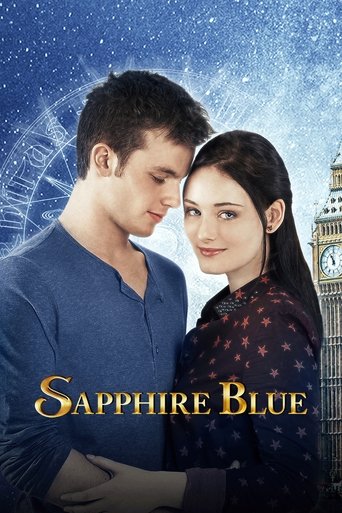
German cinema has kept up the tradition of fantasy for young audiences. Ruby Red, Sapphire Blue and Emerald Green form a trilogy from the novels of Kerstin Gier, in which a London schoolgirl learns that she has inherited her family's gift for travelling in time. The three Windstorm films, Windstorm, Windstorm 2 and Windstorm 3, are about a girl sent to her grandmother's riding stables for the summer and the wild stallion that only she can approach; they are among the best horse films of recent years and all score 7.3 or more.
The comedies show a side of German film that is seldom exported. Otto - The Movie, from 1985, starring the comedian Otto Waalkes, was for decades the most successful German film ever released at home. Pappa ante Portas, by and with the great humorist Loriot, is about a manager sent into early retirement who turns his talent for organisation on his own household; it scores 7.6. Manta, Manta is a car comedy of 1991, Where Is Fred? a farce, Break Up Man a road comedy, and Welcome to Hartmanns a satire in which a prosperous Munich family takes in a refugee and learns a good deal about itself.
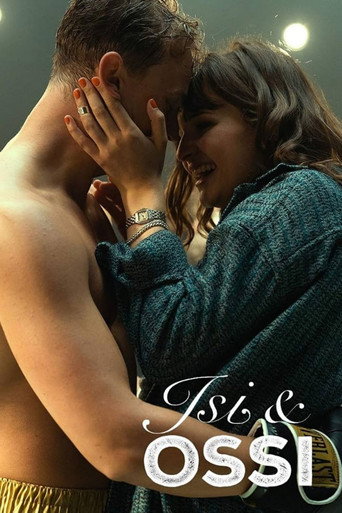
Younger film-makers supply the road movies. In July, by Fatih Akin, sends a shy trainee teacher from Hamburg to Istanbul in pursuit of a girl he has met once. Goodbye Berlin, also by Akin, puts two fourteen-year-old outsiders in a borrowed car for a summer. 303 is a long conversation between two students in a camper van bound for Portugal, and Friendship! follows two young East Germans who, as soon as the Wall opens in 1989, set off for San Francisco. Isi & Ossi is a romantic comedy about a billionaire's daughter and a boxer.
The German shelf: Herzog, Wenders and Sissi
The New German Cinema of the 1970s and 1980s is represented by three of its landmarks. Fitzcarraldo, directed by Werner Herzog, is about a man who means to build an opera house in the Amazon and, to pay for it, hauls a steamship over a hill between two rivers; Herzog did it for real, with a real ship. The Enigma of Kaspar Hauser retells the true story of a young man who appeared in Nuremberg in 1828 able to speak only a single sentence. Alice in the Cities, by Wim Wenders, pairs a tired journalist with a nine-year-old girl he has been left to look after, on a journey from New York through the towns of the Ruhr in search of her grandmother; it scores 7.7.
Older still are the films that made Romy Schneider a star at seventeen. Sissi, from 1955, tells the romance of the young Bavarian duchess Elisabeth and the Emperor Franz Joseph in the richest colours the studio could find, and Sissi: The Fateful Years of an Empress completes the story two years later. They are shown on television every Christmas across the German-speaking world. The Tiger of Eschnapur, from 1959, is an adventure set in India by the veteran director Fritz Lang.
Bagdad Cafe, from 1987, belongs to both shelves at once: a Bavarian tourist walks out on her husband in the Mojave Desert and transforms a run-down roadside motel. Much of it is in English, and its song became a hit around the world.
The recent dramas are among the strongest films in the guide. The Teachers' Lounge, nominated for an Academy Award in 2024, follows a young teacher whose attempt to deal fairly with a series of thefts sets the whole school against itself. Its star, Leonie Benesch, leads Late Shift as well, a single evening on an understaffed hospital ward, which scores 7.8. I'm Your Man asks whether a researcher could be happy with a partner built to suit her. A Coffee in Berlin follows a young man through one day in the capital in black and white. My Blind Date with Life, This Crazy Heart, Measuring the World, The Wall, Manifesto and Adidas Vs. Puma: The Brother's Feud complete the shelf. The German guide sorts the thirty-six.
The Spanish shelf: Spain
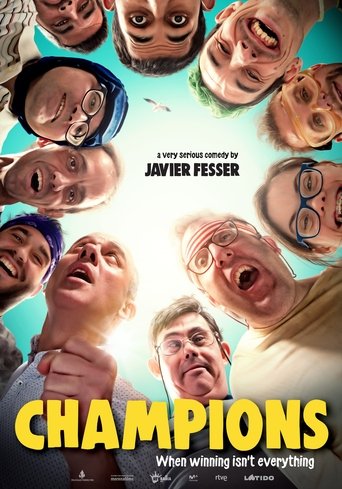
The Spanish shelf draws on six countries, and Spain supplies most of it. Its best-known recent film is Champions, from 2018: a basketball coach with a high opinion of himself is ordered by a court to train a team of players with intellectual disabilities, and finds that they have more to teach him than he them. It won Spain's national award for best film and has since been remade in English and in Hindi. 100 Meters is the true story of a man who, told that he had multiple sclerosis, set himself to finish an ironman triathlon.
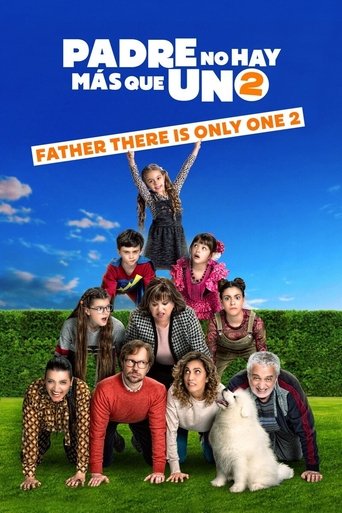
Spanish popular comedy is quick and crowded. Toc Toc gathers six patients in a psychologist's waiting room, each with a different compulsion, and leaves them to treat one another when the doctor is delayed. You Keep the Kids is about a divorcing couple who compete to lose custody of their children, and The Wedding Unplanner, Three Many Weddings, Honeymoon with My Mother, Crazy About Her, I Love You, Stupid, Love, Divided, Four's a Crowd and The Laws of Thermodynamics are romantic comedies of the last ten years. Father There Is Only One 2 and The Kids Are Alright: Destination Asturias come from Santiago Segura, the most reliable maker of Spanish family comedy.
Two films by Fernando León de Aranoa show another register. Mondays in the Sun, from 2002, follows a group of shipyard workers in a northern port after the yard has closed; it is funny, angry and humane, and scores 7.2. The Good Boss, made nineteen years later with the same star, Javier Bardem, turns to the owner of a factory that makes weighing scales, a man who will do anything to win a prize for business excellence.
The classics are Main Street, from 1956, about a cruel joke played on an unmarried woman in a provincial town, and El Sur, from 1983, Víctor Erice's film of a girl's memories of her father in the north of Spain, which many consider one of the finest Spanish films ever made. Living Is Easy with Eyes Closed is set in 1966, when a schoolteacher drives to Almería in the hope of meeting John Lennon, and Seventeen sends a boy and his brother across Cantabria in a camper van in search of a dog. Off Course, The Tribe, My Big Night, EVA and Memoria complete Spain's part of the shelf.
The Spanish shelf: Argentina, Mexico and beyond
Argentine cinema is known for comedy-dramas with superb acting, and the five films here show why. Son of the Bride, directed by Juan José Campanella, has Ricardo Darín as a restaurant owner of forty-two whose father wishes to give his mother the church wedding she was once denied; it was nominated for an Academy Award. Campanella's The Weasel's Tale gathers four elderly film people in a country house that a pair of young speculators would like to buy. My Masterpiece is about an art dealer and a difficult painter, Super Crazy about a woman who decides, for one day, to say exactly what she thinks.
The Motorcycle Diaries, made by the Brazilian director Walter Salles with an Argentine and Mexican cast, follows two young men from Buenos Aires on a journey up the length of South America in 1952, first on an ancient motorcycle and then on foot. It is the most widely rated film on the shelf.
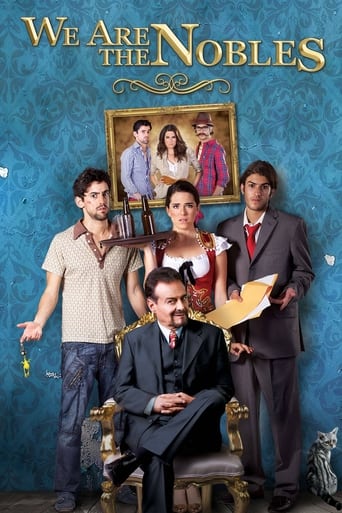
From Mexico come two of the highest scores in the guide. We Are the Nobles, at 8.0, is a comedy in which a tycoon, despairing of his three spoilt children, pretends to be ruined so that they must find work. Under the Same Moon, also at 8.0, follows a nine-year-old boy who sets out alone from Mexico to find his mother in Los Angeles. Get Married If You Can and Anonymously Yours are Mexican romantic comedies, How to Get Over a Breakup comes from Peru, and Misfit, a school comedy with songs, from Ecuador. The Spanish guide sorts the thirty-six by country.
The Portuguese shelf: Brazil at play
Thirty-five of the thirty-six films on the Portuguese shelf are Brazilian, and they give a rare view in English of what Brazilians themselves go to see. The highest score belongs to a children's film. Monica and Friends: Lessons, at 8.2, is the second live-action film drawn from the comic strips of Mauricio de Sousa, which every Brazilian child has read for sixty years: four friends are separated when they change schools and have to learn how to stay friends. Chuck Billy and The Marvelous Guava Tree comes from the same creator's stories of country life.
The Nutty Boy, from 1995, is taken from another much-loved children's book, about a boy of the 1960s with a saucepan on his head and more imagination than his neighbourhood can hold. Carrossel: O Filme sends a class of schoolchildren to a holiday camp, and Crystal Moon, from 1990, stars the television presenter Xuxa in a fairy tale. For teenagers there are DJ Cinderella, Confessions of an Invisible Girl, The Invisible Girl, Double Dad, Meus 15 Anos: O Filme, It's a Fairy! and Socorro, Virei uma Garota!.
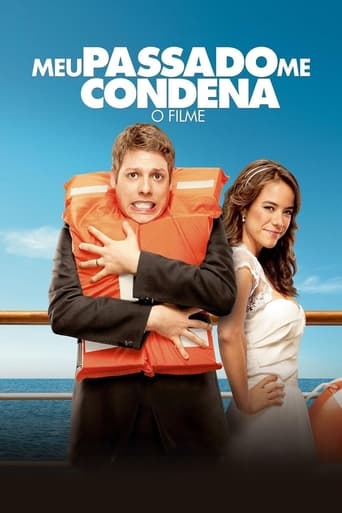
Brazilian comedy for adults grows out of television and the stage. Meu Passado Me Condena: O Filme puts a newly married couple on a cruise with her former boyfriend. Vai Que Cola: O Filme and Vai que Cola 2: O Começo, Sai de Baixo: O Filme and Um Tio Quase Perfeito bring popular television comedies to the cinema with their casts. I'm Rich!, The Beachnickers, S.O.S.: Women to the Sea 2, Neurotic Quest for Serenity, A Man Amidst Bees and Mato Sem Cachorro are comedies of work, holidays and couples.
The Portuguese shelf: music, classics and romance
Music is close to the heart of Brazilian cinema, and three film biographies stand on the shelf. Gonzaga: From Father to Son tells of Luiz Gonzaga, who carried the accordion music of the north-east to the whole country, and of his difficult relationship with his son, also a famous singer. We're So Young follows the young Renato Russo through the punk scene of Brasília in the years before he founded the most popular rock band in the country. Nosso Sonho, at 7.5, is the story of two friends from the outskirts of Rio who became a celebrated singing duo.
Two romances take their titles and their plots from famous songs. Eduardo and Monica, at 7.7, turns a song by the same Renato Russo into the story of a schoolboy and a medical student in the Brasília of the 1980s. Traces of Love begins with two strangers singing a duet at a karaoke bar. Air Bridge is about a couple divided between Rio and São Paulo.
The classics are few and essential. Barren Lives, from 1963, follows a family of herders driven across the dry backlands of the north-east by drought, in images of great austerity; it is one of the founding works of modern Brazilian cinema. Hour of the Star, from 1986, is taken from the last novel of Clarice Lispector: a young typist from the provinces, plain and poor and hopeful, makes her way in São Paulo.
The dramas of recent years include The Violin Teacher, in which a concert violinist takes a job at a school in a poor district of São Paulo; The House of Sand, which spans three generations of women in a landscape of white dunes; Two Irenes, about a girl who discovers that her father has a second family and a second daughter with her own name; and Stronger Than The World, a sporting biography. The one film from Portugal is Colossal Youth, by Pedro Costa, a slow and solemn portrait of an immigrant from Cape Verde in Lisbon. The Portuguese guide sorts the thirty-six.
Bestsellers
The Bestsellers list is the guide's one nod to raw popularity: the twenty films rated by the largest number of people, whatever their language. The home page shows the first twelve as a numbered list, and the full twenty have a page of their own. The Intouchables stands at number one, ahead of Jurassic Park, which is a fair measure of how far that French film has travelled. The other eighteen are in English, from Charlie and the Chocolate Factory and Alice in Wonderland to Wonder, Rain Man and Mamma Mia!.
The list is a useful reminder of scale. The most widely rated German film, The NeverEnding Story, and the most widely rated Spanish-language film, The Motorcycle Diaries, have audiences a fraction of the size of an average Hollywood release, and the Brazilian films a fraction of that again. Their scores are as high or higher. Popularity measures how far a film was carried by distribution; the score measures what the people who saw it thought. The bestsellers page gives the outline.
Top rated
The Top rated list gathers the thirty-six films with an audience score of 7.5 or more, and here the languages stand closer together: thirteen English, nine Spanish, six French, five German and three Portuguese. The two highest are both from outside Hollywood, The Intouchables at 8.3 and Monica and Friends: Lessons at 8.2. Wonder follows at 8.1.
Seven films share 8.0: Jurassic Park, 2001: A Space Odyssey and Before Sunrise in English, The 400 Blows in French, and three in Spanish, We Are the Nobles, Under the Same Moon and Misfit. Just below them are A Beautiful Mind at 7.9 and The Dinner Game and Late Shift at 7.8. The scores are TMDB averages of ratings by registered viewers, and each movie page shows how many ratings stand behind its figure; for the smaller films that number is modest, and the score should be read as the verdict of an appreciative home audience. The top rated page explains the rule.
Before 1990
Twenty-one films were made before 1990, and the German shelf supplies nine of them, the most of any language. Read by date, the list begins in 1955 with Sissi and in 1956 with Main Street, passes through The 400 Blows and The Tiger of Eschnapur in 1959 and Barren Lives in 1963, and reaches the remarkable year of 1967, when PlayTime and The Young Girls of Rochefort were both released in France.
The 1970s are represented by the two German films of 1974, and the 1980s by Fitzcarraldo, El Sur, The NeverEnding Story, Otto - The Movie, Hour of the Star and Bagdad Cafe, with The Breakfast Club, Ferris Bueller's Day Off and Rain Man from the English shelf. A viewer who wants to understand why critics speak so warmly of European and Latin American cinema will find the reasons by watching these twenty-one in order. The before 1990 page sorts them by language.
Comedy in five languages
Comedy is the largest genre in the guide, with 123 films, and it is the genre in which national character shows most plainly. The French shelf is almost wholly comic, thirty-three films of thirty-six, and its humour runs to farce, wordplay and social embarrassment. The Spanish shelf has twenty-nine comedies, many of them about couples and families under strain. The Brazilian shelf has twenty-five, broad and warm, with roots in television. The English shelf has twenty and the German sixteen.
It is sometimes said that comedy travels badly, and the scores here suggest otherwise. The Dinner Game, Welcome to the Sticks, Champions, We Are the Nobles and Pappa ante Portas all hold figures that any Hollywood comedy would envy. What changes from country to country is the target. French comedies tease the Parisian's view of the provinces, Spanish ones the pressures of family, German ones the love of order, and Brazilian ones the gap between rich and poor. The laughter is the same. The comedy guide sorts the list.
Family films in five languages
Thirty-four films are marked for family viewing: twelve in English, eight in Portuguese, five each in French and German, and four in Spanish. They make a good first step into another language for younger viewers, since the stories are simple and the pictures do much of the telling. The NeverEnding Story, the Windstorm films, the Asterix films, Monica and Friends: Lessons and Carrossel: O Filme are all easy to follow with subtitles, and several are offered dubbed. The family guide sorts the thirty-four.
Stories that crossed the language line
One sign of a good story is that other countries want to tell it again, and several films on the four shelves have been remade in English. The Intouchables became an American film with Kevin Hart and Bryan Cranston. The Bélier Family became a best picture winner set in a Massachusetts fishing town. Champions was remade in the United States with Woody Harrelson, and The Dinner Game with Steve Carell. The Visitors was remade by its own director and stars in Chicago, and Welcome to the Sticks was remade in Italy and elsewhere.
Seeing the original first is nearly always the better order. The remake of a comedy has to translate jokes that grew out of one country's habits, and something is usually lost on the way. The originals are also, as a rule, shorter and less sentimental. This guide lists the originals, and a reader who knows only the English versions has a pleasant set of discoveries waiting.
The traffic runs the other way too. The NeverEnding Story, Bagdad Cafe and Manifesto were made by German directors partly or wholly in English, and The Artist by a French team in Hollywood. The Motorcycle Diaries was directed by a Brazilian in Spanish, and Memoria by a Thai director in Colombia. The language of a film is a home more than a border.
Subtitles, soundtracks and a first film
Every film page states the original language, and the streaming services listed by JustWatch state which soundtracks and subtitles they carry. Most offer English subtitles for the films on the four other shelves, and many offer an English soundtrack for the family films. Subtitles are easier than many people expect; after ten minutes the reading becomes automatic, and the actors' own voices are a large part of any performance.
For a first film in each language, choose one in which the situation is clear from the start. In French, The Dinner Game takes place in a single flat with six characters. In German, The Teachers' Lounge stays inside one school. In Spanish, Toc Toc stays in a waiting room, and Under the Same Moon follows one boy on one journey. In Portuguese, Monica and Friends: Lessons is made for children and is understood at once.
Two films need hardly any reading at all. The Artist is silent, with a few title cards, and PlayTime tells its jokes almost wholly in pictures and sounds. Both are a pleasure for viewers of any age and any language. The subtitles page gives the advice in brief.
Five evenings, five languages
The simplest plan the guide offers is a working week with a different language each night. Monday, in English: Before Sunrise, which is itself about an American and a Frenchwoman in an Austrian city. Tuesday, in French: The Intouchables. Wednesday, in German: Alice in the Cities or, with children, Windstorm. Thursday, in Spanish: Son of the Bride. Friday, in Portuguese: Eduardo and Monica.
A second week might take the comedies: Groundhog Day, Welcome to the Sticks, Pappa ante Portas, Champions and Meu Passado Me Condena: O Filme. A third, the classics: 2001: A Space Odyssey, The 400 Blows, Fitzcarraldo, El Sur and Barren Lives, five films that between them would make a respectable education in cinema.
The five language tabs sit at the top of every page, so a household can keep the rotation going for as long as it likes. Thirty-six films on each shelf is enough for thirty-six such weeks.
Faces that cross the shelves
Actors are less bound by language than films are, and several appear on more than one shelf. Gael García Bernal, who is Mexican, leads The Motorcycle Diaries in Spanish and The Science of Sleep in French and English. Daniel Brühl, raised in Germany by a Spanish mother, stars in the Spanish science fiction film EVA. Dan Stevens, an Englishman, plays the made-to-measure companion of I'm Your Man in fluent German, and Cate Blanchett performs thirteen different characters in the German production Manifesto. Kelly Reilly, another English actor, plays in French in Russian Dolls and Chinese Puzzle.
Within each language the search box will gather a star's films in a moment. On the French shelf, Jean Dujardin has three, Romain Duris four, Audrey Tautou four and Omar Sy two, and Dany Boon both directs and plays in Welcome to the Sticks. On the Spanish shelf, Javier Bardem leads both films by Fernando León de Aranoa, Paco León appears in four comedies, and Ricardo Darín, the great Argentine actor, is seen in Son of the Bride.
On the German shelf, Leonie Benesch carries two of the strongest recent dramas, Til Schweiger two comedies fifteen years apart, and Hanna Binke all three Windstorm films. On the Brazilian shelf, Fábio Porchat is the romantic lead of three comedies, Maisa Silva of three films for young audiences, and Larissa Manoela, who began as a child star, of two more. Learning a handful of these names is the quickest way to feel at home on a new shelf, since a liked actor is as good a guide in Portuguese as in English.
Journeys in five languages
The road movie turns up on every shelf, and a set of five makes an unusual week. In English, Rain Man crosses America by car and Little Miss Sunshine by van. In French, The Volcano sends a divorced couple from the edge of Germany to a wedding in Greece by any transport they can find, after a cloud of ash has grounded every aeroplane in Europe. In German, In July runs from Hamburg to Istanbul, 303 from Berlin to the Atlantic, and Friendship! from East Berlin to the Golden Gate.
In Spanish, The Motorcycle Diaries travels eight thousand miles from Buenos Aires to Venezuela, Seventeen crosses the north of Spain and Living Is Easy with Eyes Closed the south, and Under the Same Moon follows a child across a border. In Portuguese, Barren Lives is a journey on foot through a drought, and Meu Passado Me Condena: O Filme a honeymoon by sea.
The landscapes differ as much as the languages, and that is half the appeal. Films are among the cheapest ways to see the Ruhr, the pampas, the sertão and the Cantabrian coast, and a guide in five languages has room for all of them. The country of each film is given in its table of facts, and choosing that country in the Watch now selector often shows the widest choice of services.
Travel on screen has a practical side for anyone learning one of these languages. A road movie is full of the phrases a visitor needs, tickets, directions, meals and small talk with strangers, spoken at natural speed by people of every age and region. Teachers of French, German, Spanish and Portuguese have long used such films in class, and the comedies and family films on these shelves serve the same purpose at home. Watching once with English subtitles and once with subtitles in the film's own language is a method many learners swear by, and the films here are short and entertaining enough to bear a second viewing.
The same holds in the other direction. For a household in which English is the newer language, the English shelf, with its family adventures and clearly spoken comedies, is a gentle place to practise, and the four other shelves keep the home languages on screen. A guide in five languages is, in a small way, a meeting place.
My Shelf
My Shelf is the list each visitor keeps. The list button beside Watch now on a movie page adds the film, and the orange My Shelf button in the header opens the list from any page. The list is stored in the browser on the device in use, so it is ready from the first visit and works free of any sign-up form. The list page can save it as a file, which is the way to move it to another device.
The language tag on each poster carries over to the list, so a shelf of one's own shows at a glance how widely it ranges. A good target is one film from each of the five languages at any time. The My Shelf page gives the steps.
Where the movies play
DWatchMovies is a guide, and the films themselves are held by the streaming services and digital stores. The Watch now button passes the title and the chosen country to JustWatch, which records each day what every service offers. The fifteen countries in the selector were chosen to match the five languages: the United States, the United Kingdom, Canada, Australia and Ireland; France and Belgium; Germany, Austria and Switzerland; Spain, Mexico and Argentina; Portugal and Brazil.
Availability depends a great deal on the country. A French comedy is usually easy to find in France and Belgium and harder elsewhere; the large international services carry a changing selection of films from all four of the other languages, often the ones they financed themselves, such as Isi & Ossi, Crazy About Her and Double Dad. Classics appear on specialist services and on the players of public broadcasters. Choosing the film's home country in the selector is a quick way to see where it is most widely offered. The answer shown is always the one for today.
Questions and answers
Questions
What is DWatchMovies?
DWatchMovies is a guide to 180 movies in five languages. Each movie has a page in English with its cast, a summary and a Watch now button.
Which languages are covered?
English, French, German, Spanish and Portuguese, with 36 movies on each shelf.
Are the pages in English?
Yes. Titles, summaries and facts are in English, and the original title of each movie is shown beside its English one.
Which countries do the movies come from?
The United States and Britain; France and Belgium; Germany, Austria and Switzerland; Spain, Argentina, Mexico, Peru and Ecuador; Brazil and Portugal.
Does DWatchMovies host the movies?
DWatchMovies is a guide only. Watch now opens JustWatch for the country you choose, which lists the subscription, rental, purchase and free services carrying the movie.
Which movies have the highest scores?
The Intouchables, a French film, at 8.3, and Monica and Friends: Lessons, a Brazilian film, at 8.2. Wonder follows at 8.1.
What is the Bestsellers list?
The twenty movies rated by the largest number of viewers. The Intouchables is first and Jurassic Park second.
Do the movies have subtitles?
The streaming services listed by JustWatch state the soundtracks and subtitles they offer; most carry English subtitles, and many family films are available dubbed.
Is the guide suitable for families?
Yes. Every movie was screened by hand, and 34 are marked as family viewing, from Mary Poppins to The NeverEnding Story.
What is My Shelf?
My Shelf is a personal list kept in the browser. A button on each movie page adds or removes the movie, and the orange button in the header opens the list.
Is an account needed?
The whole guide is open to every visitor. Search, the five language shelves and My Shelf all work from the first visit.
How do I find a movie quickly?
Type its English or original title, an actor or a year in the search box, press a language tab, or open the A-Z index.
